

The historical evolution of gambling A journey through time and culture
Origins of Gambling in Ancient Civilizations
The roots of gambling trace back to ancient civilizations, with evidence found in archaeological sites that showcase games of chance and skill. The earliest known forms of gambling appear in Mesopotamia around 3000 BCE, where dice made from animal bones were used. This period marked the beginning of gambling as a form of entertainment, often intertwined with religious practices, as people sought divine favor through games. Today, platforms like aviator india allow players to experience similar excitement in modern settings.

In ancient China, around 2000 BCE, the first known lottery games emerged, demonstrating how gambling was utilized not only for entertainment but also as a means to fund public projects, such as the Great Wall. Similarly, ancient Romans engaged in betting on various events, from gladiatorial combats to chariot races, emphasizing the cultural significance of gambling in social gatherings and communal celebrations.
The Greeks also contributed to the evolution of gambling, with their own versions of dice games and betting on sporting events. These early activities laid the groundwork for the complex gambling systems we see today, as they introduced the concepts of odds and risk, essential elements in modern gaming culture. Overall, the origins of gambling reflect a blend of chance, skill, and societal values that continue to resonate across different cultures.
The Role of Gambling in Medieval Europe
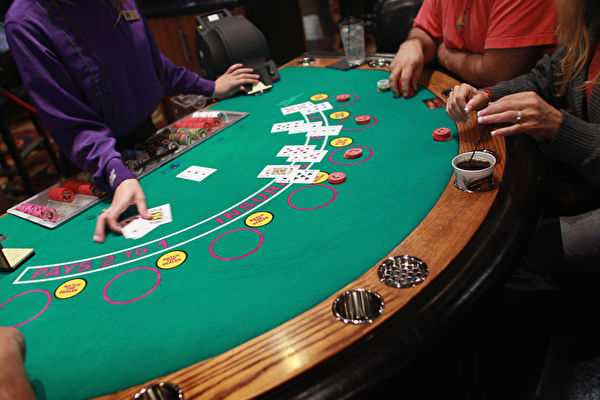
During the medieval period, gambling gained both popularity and regulation in Europe. The introduction of card games in the 14th century shifted the landscape of gambling, as these games allowed for greater strategy and interaction among players. The emergence of games such as poker and blackjack would later trace their lineage back to these early card games, demonstrating how gambling evolved over time with societal changes.
Moreover, the Church played a pivotal role in shaping gambling practices, as various religious authorities often condemned certain forms of betting while simultaneously engaging in their own forms of gambling. This duality created a complicated relationship between gambling and morality, leading to fluctuating acceptance and prohibition throughout the era. This dynamic contributed to the establishment of gambling laws that began to form in response to public demand and ethical considerations.
In addition, gambling houses and taverns became social hubs where the nobility and common folk mingled, further embedding gambling into the fabric of everyday life. The rise of professional gamblers and the establishment of lotteries also showcased the economic aspects of gambling, leading to the formation of state-run lotteries as a means of raising funds for public projects. Thus, gambling during medieval Europe was not merely a pastime but a reflection of social hierarchies, economic necessity, and cultural values.
The Expansion of Gambling in the Modern Era
The 18th and 19th centuries marked a significant transformation in the gambling landscape, particularly with the establishment of casinos in Europe and America. The first official casino, Casino di Venezia, opened its doors in 1638, setting a precedent for sophisticated gambling establishments. As gambling became more accessible, it attracted a diverse clientele, leading to the development of various games that catered to different preferences and skill levels.
The Industrial Revolution played a crucial role in the proliferation of gambling, as urbanization and increased leisure time contributed to the establishment of more gambling venues. Horse racing emerged as a popular betting sport during this era, with tracks sprouting up across the United States and Europe. This period also saw the introduction of betting systems and strategies, which further enhanced the complexity of gambling and drew in more participants eager for profit.
With the advent of technology in the 20th century, gambling underwent yet another transformation. The introduction of electronic gaming machines in the 1960s and the rise of online gambling in the late 1990s revolutionized the industry. This shift not only expanded the reach of gambling but also introduced new methods of play and engagement, reflecting the ongoing evolution of gambling practices as they adapt to technological advancements.
The Cultural Impact of Gambling Across Societies
Gambling transcends mere entertainment; it serves as a cultural touchstone across various societies. In many cultures, gambling is intertwined with traditions and rituals. For example, in some Indigenous cultures, games of chance are played as part of ceremonial events, reflecting deep-rooted beliefs and values that have been passed down through generations. This connection illustrates how gambling can serve as a means of community bonding and cultural expression.
In contrast, some societies view gambling with skepticism or outright prohibition, often associating it with moral decay or social issues. Countries with strict gambling laws, such as those in the Middle East, offer a stark contrast to more permissive environments like Las Vegas. These societal attitudes shape public perception and influence the legal frameworks governing gambling activities, highlighting the intricate relationship between culture, belief systems, and gambling practices.
Furthermore, as globalization connects diverse cultures, the exchange of gambling practices has become increasingly prevalent. Traditional games from one culture may find a place in another, leading to hybrid forms of gambling that reflect a fusion of traditions. This ongoing cultural exchange illustrates the dynamic nature of gambling, continually adapting and evolving to reflect societal values and norms.
Exploring Modern Online Gambling Platforms
The digital age has ushered in a new era of gambling, characterized by the rise of online platforms that offer diverse gaming experiences. Players now have access to a wide range of games, from traditional card games to innovative online slots and live dealer experiences. These platforms cater to a global audience, breaking down geographical barriers that once restricted gambling activities.
One of the notable innovations in online gambling is the introduction of crash betting games, such as the Aviator Game. These games offer a unique combination of skill and chance, allowing players to strategically time their bets and cashouts. This element of strategy has attracted a new demographic of players, particularly younger audiences who appreciate the fast-paced, interactive gameplay.
Moreover, online gambling platforms emphasize responsible gaming, providing tools and resources for players to manage their gambling activities. This approach reflects a growing awareness of the potential risks associated with gambling, promoting a balanced experience that prioritizes player well-being. As the online gambling landscape continues to evolve, it remains crucial for players to engage in responsible practices while enjoying the thrilling experience that modern gaming offers.