

The Dynamics of Horse Racing Betting: When It’s Not On
Horse racing has long been a beloved pastime for enthusiasts around the globe, providing not just exhilarating experiences at the racetrack, but also opportunities for lucrative betting. However, understanding what it means when horse racing betting is not on is crucial for anyone looking to engage in this thrilling activity. Whether you’re an avid bettor or a casual fan, comprehending the nuances of this scenario can significantly enhance your overall experience. For more on responsible betting, check out Horse Racing Betting Not on GamStop Horse Racing Not on GamStop.
Understanding Horse Racing Betting
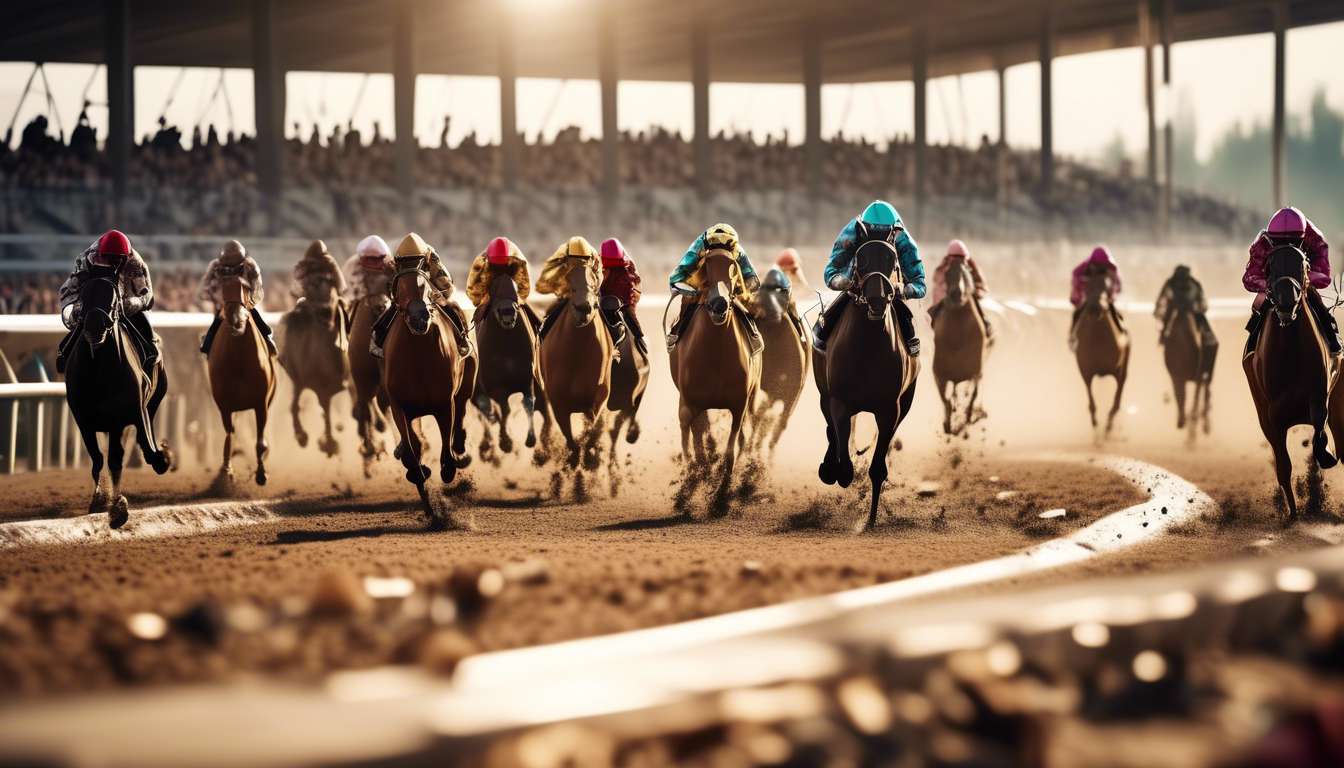
Horse racing betting involves predicting the outcome of horse races and placing wagers on those predictions. Traditionally, this sport is divided into two main areas: flat racing and harness racing. Flat racing involves thoroughbreds running over various distances, while harness racing typically features standardbreds pulling a sulky. Each race presents a unique set of factors to consider, including the horses’ past performances, weather conditions, and the odds presented by bookmakers.
Types of Bets in Horse Racing
There are several types of bets one can place in horse racing, and each comes with its own level of risk and potential payout:

- Win Bet: A straightforward wager on a horse to finish first.
- Place Bet: A bet on a horse to finish either first or second.
- Show Bet: A wager on a horse to finish in the top three.
- Exacta: A bet predicting the first and second place finishers in the correct order.
- Trifecta: A wager predicting the first, second, and third place finishers in the correct order.
- Quinella: A bet predicting which two horses will finish in the top two, regardless of order.
The Concept of Betting Not On
When we talk about horse racing betting “not on,” we refer to periods where betting is unavailable for various reasons. This may freque
ntly occur during off-season periods, unexpected cancellations due to weather or unforeseen events, or when racetracks are closed for maintenance. During these times, bettors are left in a quandary as they seek alternative means to engage with their passion.
Reasons Why Betting May Not Be Available
- Seasonal Breaks: Horse racing follows a seasonal calendar, and there can be significant breaks when there are no races to bet on. Bettors need to be aware of these periods to avoid frustration.
- Cancellations: Weather conditions can lead to last-minute cancellations of races. Heavy rain, snow, or dangerous track conditions can halt the action, leaving bettors unable to place their wagers.
- Regulatory Issues: Sometimes racing meets may face regulatory concerns that lead to betting being suspended until matters are resolved.
- Technological Glitches: With the rise of online betting platforms, technical malfunctions can result in downtime where betting is temporarily suspended.
What to Do When Betting is Not On
Finding yourself in a situation where betting is not on can be disappointing, but there are several alternative avenues to consider that can keep your interest alive:
- Research and Analysis: Use the downtime to research horses, jockeys, and trainers. Understanding the backstory and past performance can enrich your future betting experience.
- Join Online Communities: Participate in forums or social media groups dedicated to horse racing. Engaging with fellow enthusiasts can provide insights and help expand your knowledge.
- Simulated Betting: Some platforms offer simulated betting experiences where you can practice wagering without real money. This can be a great way to hone your skills without risk.
- Watch Classic Races: Reviewing classic races is a great way to appreciate the sport. You can analyze past performances and learn from successful jockeys and horses.
Preparing for When Betting Returns
When betting resumes, it’s essential to approach it with a refreshed mindset. Here are a few tips to prepare:
- Set a Budget: Always define your betting budget before you participate, regardless of how much you feel you know about the races.
- Stay Informed: Keep up with the latest news in the horse racing world, including changes in horse condition, jockey changes, and weather forecasts that could impact races.
- Understand the Odds: Knowing how to interpret and compare odds can help you make more informed betting decisions.
- Diversify Your Bets: Instead of placing all your funds on one type of bet, consider mixing it up for better potential returns. This reduces the risk associated with betting.
Conclusion
Horse racing is an exciting and intricate domain for both fans and bettors. While periods where betting is not on can be frustrating, they also offer an opportunity to deepen your understanding of the sport and prepare for future betting endeavors. Remember, whether you’re at the track or engaging with online platforms, always bet responsibly and enjoy the thrill that horse racing brings.