

Understanding the social dynamics of gambling Insights from ice fishing game
The Psychological Motivations Behind Gambling
The psychology of gambling is a multifaceted subject, intertwining risk-taking behavior with social interaction. Many individuals are drawn to gambling as a means of escapism, much like ice fishing offers a retreat from the hustle and bustle of daily life. Both activities provide not only a thrill but also an avenue for social connection. Gamblers often seek the adrenaline rush that comes from placing bets, just as anglers experience the excitement of the catch. Understanding these motivations can provide insight into why communities form around these activities.
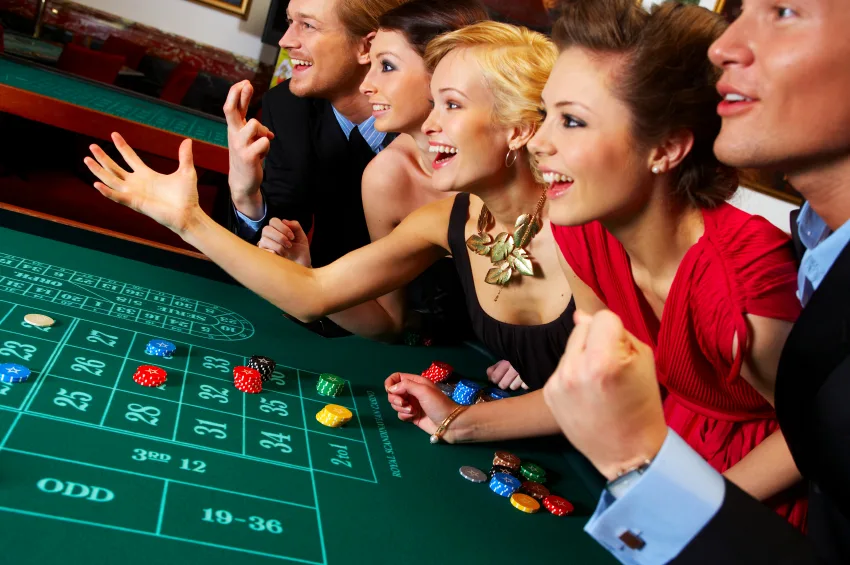
Further, the social dynamics play a critical role in shaping the experience of both gambling and ice fishing. In gambling, the interaction with other players can amplify feelings of euphoria or disappointment. For instance, winning a game at a casino can elevate one’s status among peers, leading to a temporary sense of belonging. Similarly, ice fishing creates opportunities for shared stories and communal experiences, where the catch of the day becomes a shared trophy, reinforcing social bonds. This communal aspect intensifies the stakes, both in gambling and fishing.
Moreover, both gambling and ice fishing allow individuals to form identities within a community. Gamblers often develop a persona—whether it’s a high-stakes player or a casual bettor—while ice fishermen may be recognized for their technique or favorite fishing spots. This identification not only fosters a sense of belonging but also creates social pressure to maintain a particular image, further entrenching the psychological motivations that drive these activities. Understanding these complex dynamics highlights the importance of social influence in shaping individual behavior.
The Role of Environment in Gambling Dynamics
The environment plays a pivotal role in both gambling and ice fishing, influencing decisions and social interactions. In casinos, the ambiance is meticulously designed to engage and entice players, creating an atmosphere where risk-taking feels exhilarating. Bright lights, sounds of slot machines, and the presence of fellow gamblers all contribute to the intoxicating experience. Comparatively, the serene and often isolated environment of an ice fishing site fosters a different kind of focus, encouraging individuals to reflect and engage in deep conversations, thereby enhancing social ties.
Environmental factors also shape the rules and norms surrounding both activities. In a casino, house rules dictate the flow of the game, creating a structured environment where social interactions occur within defined limits. Conversely, ice fishing tends to have a more relaxed set of unwritten rules that rely on mutual respect and shared experiences among anglers. Understanding these contrasting environments can elucidate how setting influences behavior and interaction, highlighting the diverse social dynamics at play.
The interaction between environment and social dynamics can lead to unique outcomes in both contexts. For instance, the excitement of a casino may lead to more aggressive betting behavior, while the tranquility of an ice fishing lake might inspire collaborative efforts to improve fishing techniques. The way in which individuals adapt to their environments, whether they’re engaging in a game of chance or a day on the ice, underscores the adaptability of human behavior and the importance of social context.
Community and Social Bonds in Gambling and Ice Fishing
Community is a vital component in understanding the social dynamics of both gambling and ice fishing. Both activities create environments where individuals can forge friendships and alliances. At a casino, regular players often recognize each other, sharing tips and insights about strategies or games, creating a sense of camaraderie. Similarly, ice fishing enthusiasts often gather in groups, exchanging stories, techniques, and even fishing spots, thus fostering deep-seated social connections. These interactions enrich both experiences, making them more than just solitary endeavors.
Furthermore, the communal nature of these activities often leads to the development of traditions and rituals that enhance social bonding. In gambling, for example, specific games or betting strategies may evolve into community customs, bringing players closer together as they engage in shared practices. On the ice, rituals such as a particular way of setting up gear or celebrating a catch can create lasting memories and a sense of belonging. This shared culture contributes to the overall richness of the experience.
However, community dynamics can also introduce challenges. In gambling, the competition may lead to tension among players, especially in high-stakes scenarios, where the desire to win can overshadow camaraderie. Conversely, while ice fishing tends to foster cooperation, disputes can arise over fishing spots or techniques. These complexities reveal the intricate balance between social bonds and competitive instincts, emphasizing that the social fabric of these activities is continually evolving.
Risk and Reward: A Comparative Analysis
The allure of risk and reward is central to both gambling and ice fishing, though manifested differently in each activity. In gambling, the stakes are often financial, creating an environment where the potential for significant loss or gain can drive individuals to take greater risks. This dynamic can lead to a rollercoaster of emotions, from the thrill of winning to the despair of losing. Similarly, ice fishing carries its own set of risks, not related to financial gain, but rather to the potential disappointment of a poor catch or harsh weather conditions. These risks create a parallel psychological framework that makes both activities enticing.
The concept of reward also varies, impacting how individuals perceive their successes. In gambling, the immediate financial reward can often be exhilarating, but it may also lead to an addictive cycle. The concept of “chasing losses” can trigger compulsive behaviors, where gamblers continue to play in hopes of recouping their losses. Ice fishing, however, offers rewards that are often more intrinsic, such as the joy of spending time in nature, enjoying the serenity of the frozen landscape, or the satisfaction of a good catch shared among friends.
Understanding these dynamics offers important insights into why individuals engage in both activities. While gambling can become a potentially harmful cycle due to its financial implications, ice fishing presents an opportunity for relaxation and social bonding, albeit with its own set of challenges. By examining how risk and reward function in both environments, we can gain a deeper understanding of the psychological and social factors that drive participation in these activities.

Exploring Further: Your Gateway to Understanding Gambling and Ice Fishing
This website serves as a resource for anyone interested in diving deeper into the social dynamics of gambling and ice fishing. With a wealth of articles, insights, and expert opinions, it aims to enlighten readers about the psychological, social, and environmental factors that play a significant role in these activities. By providing a comprehensive platform, we seek to foster a better understanding of how such diverse pursuits can shape social interaction and community development.
Whether you’re a casual gambler, an avid ice fisher, or simply curious about these topics, this website provides a rich repository of information. Through engaging content and community discussions, readers can explore various aspects of gambling and ice fishing, learning from each other’s experiences and insights. Our goal is to create a space where curiosity leads to knowledge, enhancing appreciation for the intricate dynamics at play in these popular activities.