

The Glamour vs. Reality of Casino Life
Many people perceive casino gambling as a glamorous pursuit, fueled by images of lavish parties, luxurious surroundings, and high-stakes games. Movies and television often exaggerate this aspect, showcasing wealthy characters splurging on extravagant lifestyles. However, the reality is often far less glamorous. Most gamblers are regular individuals looking for entertainment rather than high rollers making life-altering bets. In fact, some players enjoy discovering new venues like burritosbell.co.uk that offer unique experiences, and the atmosphere of a casino can also be overwhelming, with flashing lights and loud noises, creating a sensory overload that isn’t depicted in popular culture.
In many cases, individuals enter casinos hoping to win big, only to find themselves caught in a complex web of odds and probability. Understanding these dynamics is crucial for anyone considering gambling as a form of entertainment. The truth is that while some individuals do win large sums, the vast majority of players lose money over time. This discrepancy between expectation and reality can lead to disappointment and frustration among novice gamblers.
Furthermore, the emotional toll of gambling can be significant. The thrill of the game can quickly turn into an obsession, leading some players to chase losses in hopes of recouping their money. This cycle often exacerbates existing issues like financial instability and personal relationships, highlighting the importance of approaching gambling with a clear mindset and strict boundaries. Dismantling the myth of glamorous casino life helps create a more honest discourse about gambling’s potential consequences.
The Misconception of “Lucky” Games
One prevalent myth in the realm of casino gambling is the belief in “lucky” games. Many players swear by their favorite games, attributing their wins to luck or a particular machine being “hot.” While luck plays an undeniable role in gambling, it’s essential to recognize that casino games are designed with established odds. Understanding these statistics can help players make informed choices rather than relying on flawed perceptions of luck.
For instance, slot machines operate on random number generators, which ensure that every spin is independent of previous ones. This means that the idea of a machine being “on a winning streak” is a fallacy. Game designers implement mathematical calculations to determine the return to player (RTP) percentages, meaning players can only expect to win back a certain amount over the long term. This principle applies to other casino games as well, such as blackjack and poker, reinforcing the fact that outcomes are fundamentally based on mathematical probabilities more than sheer luck.

Many new players may not take the time to understand the rules or odds associated with their chosen games. This lack of knowledge can lead to inappropriate betting strategies based on myth rather than fact. Players who educate themselves about the mechanics of their favorite games will find themselves better equipped to enjoy their experience and manage their expectations in a realistic manner. Addressing the myth of “lucky” games is key to fostering responsible gambling habits and a more informed gambling culture.
The Allure of Gambling as a Quick Fix
Another myth surrounding casino gambling is the misconception that it serves as a quick fix for financial woes. Many individuals enter casinos with the hope that a single spin or hand could solve their monetary problems. While the narrative of a quick jackpot is enticing, it is crucial to contextualize gambling within the broader spectrum of financial decision-making. Rather than being a safe avenue for wealth accumulation, gambling can often lead to further financial distress.
The reality is that casinos are structured to profit from the players. This is inherently designed into the system, as the house always has an advantage in every game. This means that relying on gambling as a financial solution is a precarious strategy that can result in heavy losses instead. Numerous studies have highlighted a correlation between gambling and financial difficulties, emphasizing the need for individuals to approach gambling as entertainment rather than a viable economic strategy.
Moreover, the thrill of gambling can create an emotional high that may mislead individuals into believing they’re making sound financial decisions. This emotional aspect can cloud judgment and lead to impulsive behavior, resulting in chasing losses or increasing bets to recover lost funds. Education about responsible gambling practices, alongside a firm understanding of the psychological elements at play, can help dispel the myth that gambling is a reliable means to financial stability.
Compulsive Gambling: The Hidden Risks
While many enjoy gambling as a form of entertainment, there exists a darker side that is often overlooked: compulsive gambling. This condition affects many people and is characterized by an uncontrollable urge to gamble despite negative consequences. One of the myths surrounding this issue is that it primarily affects those who are financially unstable or have a lack of willpower. However, compulsive gambling can impact individuals from all walks of life, regardless of their economic status.
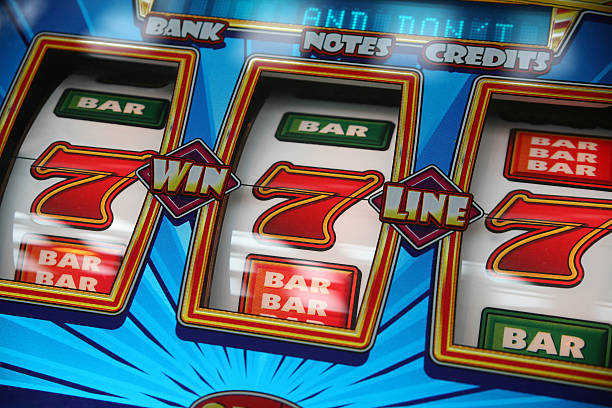
Many gamblers believe they can control their urges or set limits, only to find themselves unable to stop once they start. The thrill of the game can trigger compulsive behavior, blurring the lines between enjoyment and addiction. Recognizing the signs of problem gambling is vital for anyone who engages with casinos, as it allows individuals to seek help before the situation worsens. Educational resources and support groups can provide necessary assistance, breaking down the stigma associated with gambling addiction.
The complexity of gambling addiction is often underestimated, emphasizing the importance of transparency in discussing this issue. By fostering discussions around the risk factors and symptoms of gambling addiction, we can create a more supportive environment for those who may be struggling. It is crucial to understand that gambling can be fun; however, it also comes with inherent risks that should not be ignored. Awareness and education are key to dispelling the myths surrounding this serious issue.
Understanding the Role of Online Gambling Platforms
The rise of online gambling platforms has transformed the landscape of casino gaming, leading to a plethora of new myths and misconceptions. Many people assume that online casinos offer better odds than traditional land-based establishments, which is not always the case. The reality is that while some online platforms may provide higher RTP percentages, others have similar odds to physical casinos. Understanding the mechanics of both environments is essential for making informed choices.
Additionally, online gambling can lead to increased accessibility, which, while convenient, also raises concerns about responsible gambling. The ease of accessing games from home can blur the lines of discipline, making it easy for players to overspend. Many players mistakenly believe they can win back losses quickly due to the convenience of online betting, leading to a potentially hazardous cycle of behavior. Therefore, education on responsible gambling practices remains vital in the digital gambling age.
Online platforms also introduce a range of features designed to promote responsible gambling, such as deposit limits, self-exclusion options, and resources for players in need of assistance. Understanding these tools can help consumers create a safer gambling environment and counteract the myths surrounding online gaming. By embracing these resources and promoting awareness, we can cultivate a responsible gambling culture that thrives both online and offline.